
Retaining Walls & Concrete Masonry
We build strong retaining walls and masonry structures that hold back soil and add usable space to your property.
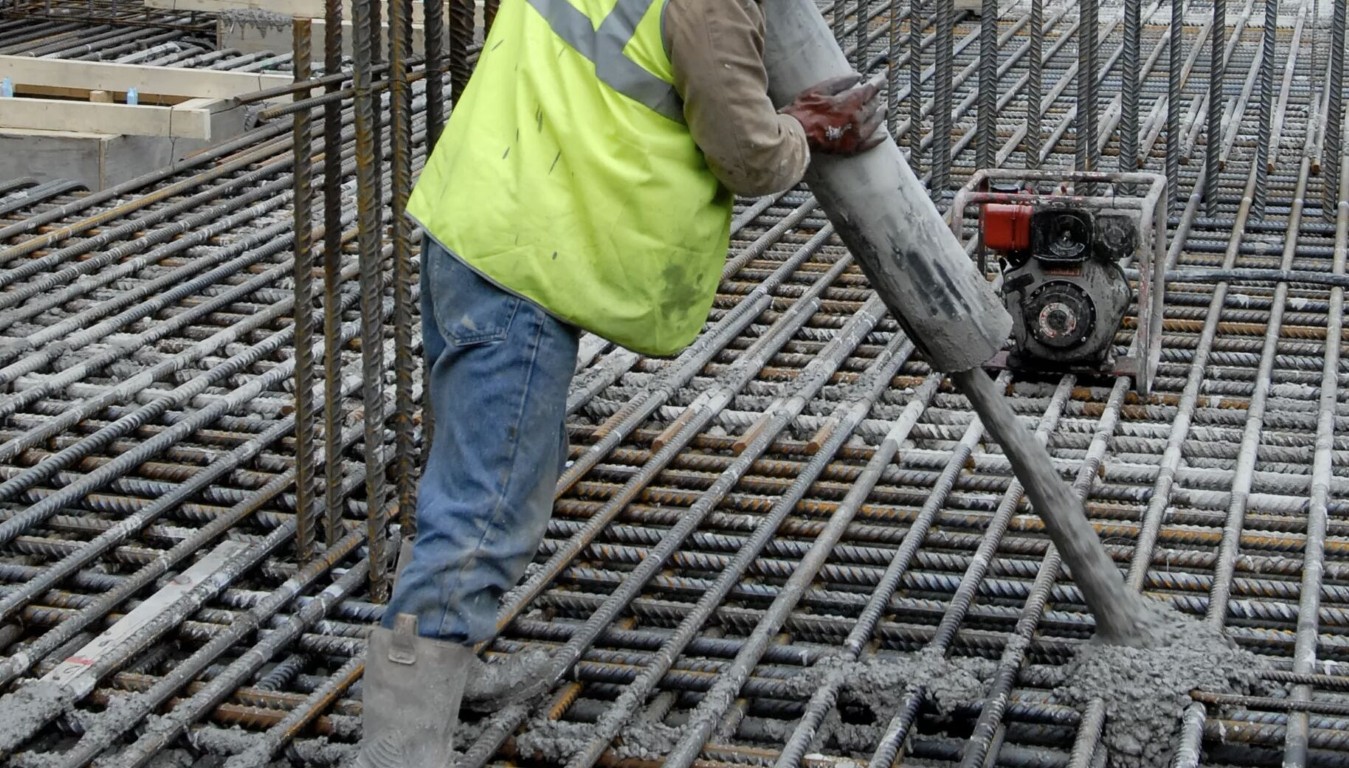
Why You Need a Retaining Wall
Concrete retaining walls hold back soil on a slope. Without one, gravity pulls that soil downhill. This causes erosion, mudslides, and loss of usable yard space. Retaining walls solve these problems and let you create level areas on sloped property. Here is what they can do for your Goldsboro property.
Stop Erosion and Protect Your Property
Heavy rain washes soil down slopes. Over time, this erosion can undermine foundations, damage landscaping, and create dangerous unstable ground. A properly built retaining wall stops this process. It holds the soil in place while allowing water to drain safely through weep holes and drainage systems. This protects everything downhill from the wall, including your home, driveway, and neighbor properties.
Create Usable Outdoor Space
Sloped yards are hard to use. You cannot put a patio on a hillside. Kids cannot play safely on steep ground. A retaining wall lets you terrace your property and create flat areas for outdoor living. You might build a wall to make room for a patio, garden beds, or play area. Each terrace becomes functional space instead of wasted slope.
Types of Walls We Build
- •Poured concrete walls for maximum strength and durability in challenging situations
- •Concrete block walls that balance cost and performance for most residential projects
- •Decorative faced walls using stone veneer or textured blocks for beautiful appearance
- •Tiered wall systems that handle extreme slopes with multiple levels
- •Load-bearing walls designed to support structures like sheds or additions above
The right choice depends on how high the wall needs to be, what it is holding back, and your budget. We will assess your situation and recommend the best approach. Walls over 4 feet tall usually need engineering stamps in Goldsboro, which we coordinate as part of the project.
What Makes a Strong Retaining Wall
A retaining wall fights tremendous force. The soil behind it wants to slide downhill, especially when saturated with water. Building these walls right takes engineering knowledge and construction skill. Here is what goes into walls that last for decades.
Foundation is Everything
A retaining wall is only as good as its foundation. We dig down below the frost line and pour a concrete footing. This footing needs to be wider than the wall itself to resist tipping. The depth and width depend on the wall height and soil conditions. Skipping or skimping on the footing is the number one reason retaining walls fail. We never cut corners here because foundation work cannot be fixed later without tearing everything out.
Drainage Keeps Walls Standing
Water weighs a lot. Soil full of water pushes much harder than dry soil. That is why proper drainage matters so much. We install drain pipes behind the wall to carry water away before it builds up pressure. Weep holes through the wall let water escape. Gravel backfill behind the wall helps water drain down to the pipes. These drainage features are not optional. They are what keep your wall from being pushed over by hydrostatic pressure. The same attention to water management that we bring to retaining walls also goes into our foundation and slab work across Goldsboro.
Reinforcement Adds Strength
Taller walls need reinforcement. For concrete block walls, we use vertical rebar running through the hollow cells, filled with concrete. Poured concrete walls get horizontal and vertical rebar in a grid pattern. Some situations call for tiebacks that anchor the wall to stable ground behind it. We follow engineering specs to make sure your wall can handle the load it faces. This is especially important for walls near property lines where failure could damage neighbor land or for walls supporting structures above.
How We Build Your Wall
Retaining wall projects take planning and careful execution. Here is what happens from your first call to project completion.
Site Evaluation and Design
We start by visiting your property to look at the slope, soil type, and drainage patterns. We measure the height difference and check for underground utilities. Then we design a wall that solves your problem. For walls over 4 feet tall, we bring in a structural engineer to stamp the plans. This ensures the design meets building codes and will perform as intended. We also pull any required permits before starting work.
Excavation and Foundation Work
On day one, we excavate for the footing. This means digging a trench at the base of where the wall will go. For tall walls, this trench might be 2 feet deep and 3 feet wide. We make sure the bottom is level and compacted, then build forms and pour the concrete footing. After it cures for a day or two, we are ready to build the wall itself.
Wall Construction and Backfill
We build the wall up from the footing, adding reinforcement as we go. For block walls, this means laying courses and filling cells with rebar and concrete. For poured walls, we build tall forms, place rebar, and pour all at once. After the wall is complete and cured, we install the drainage system behind it. Then we backfill carefully with gravel near the wall and soil further back, compacting in layers. The last step is finishing the top of the wall with caps and sealing as needed. Most retaining wall projects take several days to complete depending on size. For other concrete construction needs, we also offer professional slab and foundation services.
Retaining Wall Questions
Ready to solve your erosion problem or add usable space?