Concrete Slab & Foundation Work
Your foundation is the most important part of any structure, and we build concrete slabs and foundations that provide solid, lasting support.
Understanding Different Slab Applications
Concrete slabs serve many purposes in residential and commercial construction. Whether you are building a new structure, adding a garage, or creating a storage shed foundation, the right slab design ensures long-term stability and performance.
Not all slabs are the same. The type you need depends on what you are building, your soil conditions, and local building codes. We design and install the right foundation for your specific project, following engineering standards and best practices for our area.
Here are the main types of concrete slabs we install:
- Slab-on-grade foundations for homes and buildings built directly on the ground
- Garage and workshop floors designed to handle vehicle weight and tool storage
- Shed and outbuilding pads for storage structures and accessory buildings
- Equipment pads for HVAC units, generators, and heavy machinery
- Basement floors that provide flat, moisture-resistant surfaces below grade
- Addition foundations when expanding existing structures
Each application has specific requirements for thickness, reinforcement, and preparation. We evaluate your project needs and recommend the appropriate slab design. Our goal is to deliver quality concrete work in Goldsboro that meets structural requirements while staying within your budget.
Why Proper Prep Work Matters Most
Foundation problems almost always trace back to poor preparation. You can use the best concrete mix available, but if the ground underneath is not prepared correctly, you will have issues. We focus heavily on the prep work because we know it determines whether your slab lasts 10 years or 50 years.
Site Assessment and Soil Testing
Before we start any excavation, we examine your site conditions carefully. Soil type matters enormously for foundation performance. Clay soils expand when wet and shrink when dry, creating movement that can crack slabs. Sandy soils drain well but might not provide adequate support. Organic soils are the worst because they compress and decompose over time.
We check for existing drainage issues, underground utilities, and any signs of soil problems. If your soil conditions are questionable, we might recommend additional testing or special preparation measures. Addressing problems before pouring concrete is far cheaper than dealing with foundation repairs later.
Excavation and Base Preparation
Once we understand your soil conditions, we excavate to the correct depth for your project. We remove all organic material, roots, and loose soil that could cause settling. The excavation depth depends on your building requirements and local frost line considerations.
Next comes the base layer, typically crushed stone or gravel. This base provides drainage, prevents moisture from wicking up into the concrete, and creates a stable platform. We install this base in lifts, compacting each layer thoroughly with professional equipment. Proper compaction is crucial because loose base material will compress over time and cause the slab to settle or crack.
Moisture Barriers and Reinforcement
For most applications, we install a vapor barrier between the base and concrete. This plastic sheeting prevents ground moisture from moving up through your slab, which protects finished floors and reduces humidity issues. The barrier needs to be installed carefully with sealed seams to work properly.
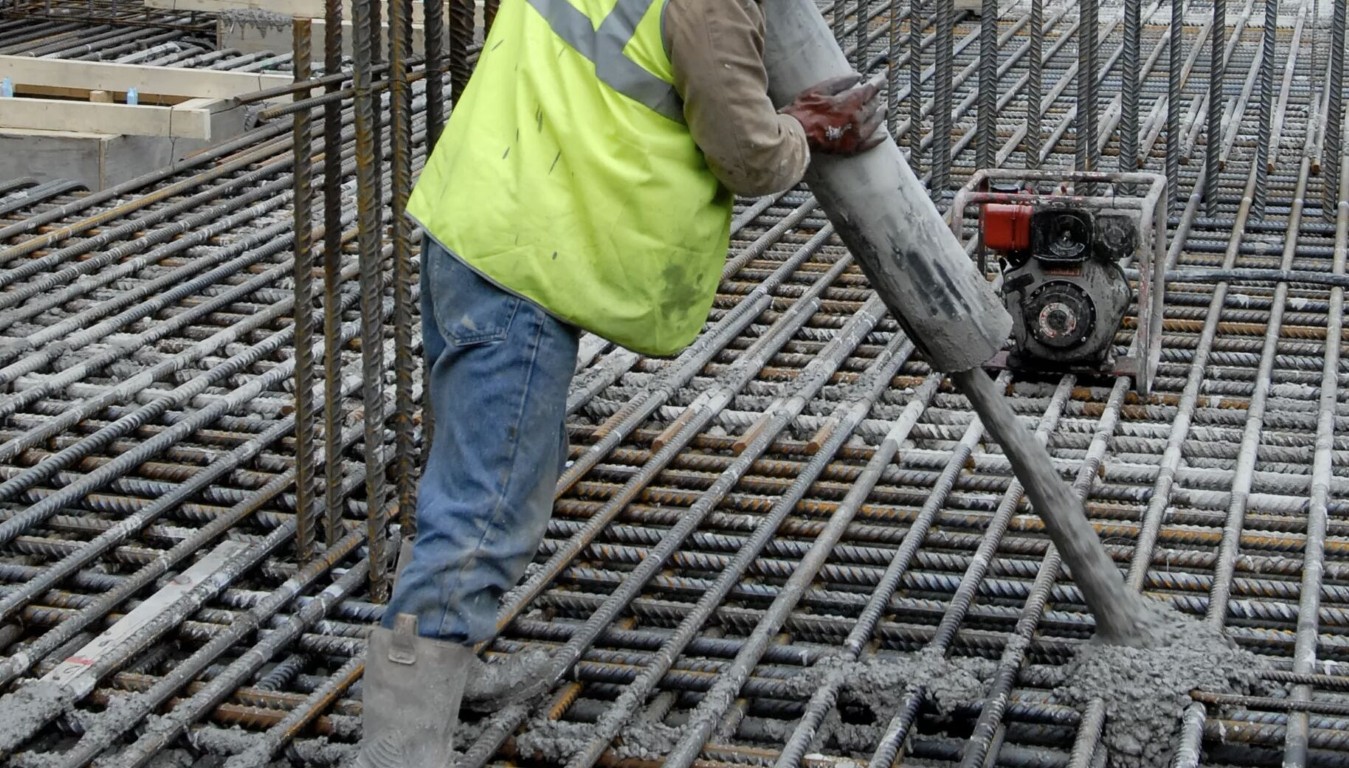
We also install reinforcement according to your project requirements. This might be wire mesh for basic slabs, rebar for foundations supporting structures, or fiber reinforcement mixed into the concrete. The right reinforcement prevents cracking and adds strength. If you need concrete work for other structures, we also handle retaining walls and masonry projects with similar attention to structural integrity.
How We Pour and Finish Foundation Slabs
The concrete pour is where all the preparation work pays off. We schedule pours for optimal weather conditions and coordinate delivery timing to ensure efficient placement. Our crew arrives early to do final prep and make sure everything is ready before the trucks show up.
As concrete arrives, we place it systematically to avoid cold joints and ensure uniform thickness. We use professional screeds and floats to level the surface to the proper grade. For slabs supporting buildings, precise leveling matters because your walls need to be plumb and your floors need to be even.
We pay close attention to edges and corners where problems often develop. Control joints are cut or formed at strategic locations to control where cracking might occur as the concrete cures and experiences temperature changes. These joints are not defects but rather engineered features that protect your slab.
The finishing process depends on the slab purpose. Garage floors get a smooth troweled finish. Basement floors might need a rougher texture for floor covering adhesion. Foundation slabs for buildings get whatever finish your construction plans specify. We match the finish to your needs.
After finishing, proper curing is essential for achieving design strength. We protect the fresh concrete from rapid drying, extreme temperatures, and physical damage during the curing period. Concrete continues gaining strength for weeks after pouring, and proper curing maximizes that strength development. We also offer concrete repair services if you have existing slabs that need attention.
Common Questions About Concrete Slabs and Foundations
Need a Solid Foundation?
Call us for a free consultation on your concrete slab or foundation project. We will assess your site, discuss your plans, and provide a detailed estimate.